

Turn a scene into Chinese-style music. Describe a wuxia duel, a palace intrigue or a quiet mountain village, choose instrumental or vocals, and generate an original track.
Generated with ToSong on November 9, 2026 from the Dark wuxia battle and Mountain village prompts, without editing. Each prompt returns two takes.
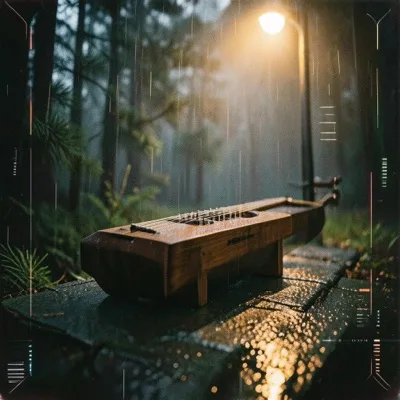
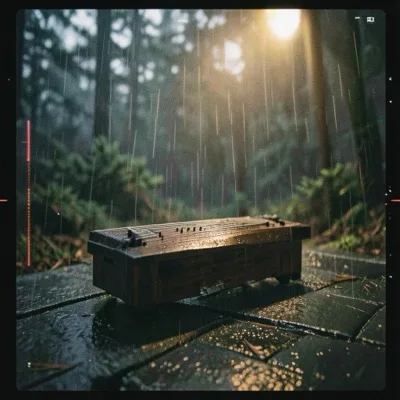
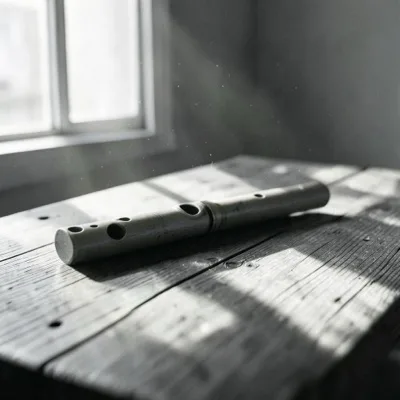
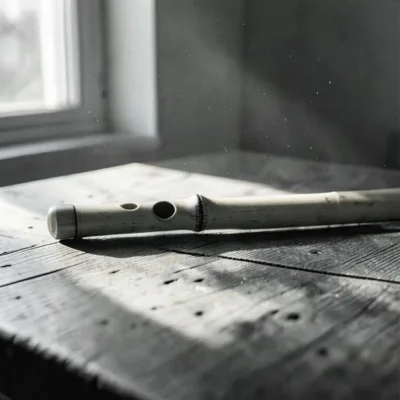
Naming a lead instrument is the quickest way to steer a Chinese music generator toward the sound you hear in your head.
| Instrument | Sound | Try it for |
|---|---|---|
| Erhu | Two-string bowed fiddle with a voice-like tone, from tender to screaming | Character themes, tragic moments, tense duels |
| Guzheng | Plucked zither with flowing glissandos | Teahouses, landscapes, romantic scenes |
| Pipa | Four-string lute with rapid tremolo and sharp plucks | Ambushes, chases, battle build-ups |
| Dizi | Bamboo flute, bright and airy with a slight buzz | Exploration, sunrise, open skies |
| Guqin | Seven-string zither, low, quiet and meditative | Scholars, temples, solitary reflection |
| Xun | Clay vessel flute with a dark, hollow tone | Ruins, night scenes, mourning and mystery |
| Suona | Double-reed horn, loud and piercing | Festivals, processions, battle calls |
| War drums and gongs | Deep drums with crashing gongs and cymbals | Battles, ceremonies, New Year scenes |
Settle three things before you generate: what the track has to do, the world it belongs to and where it will play.
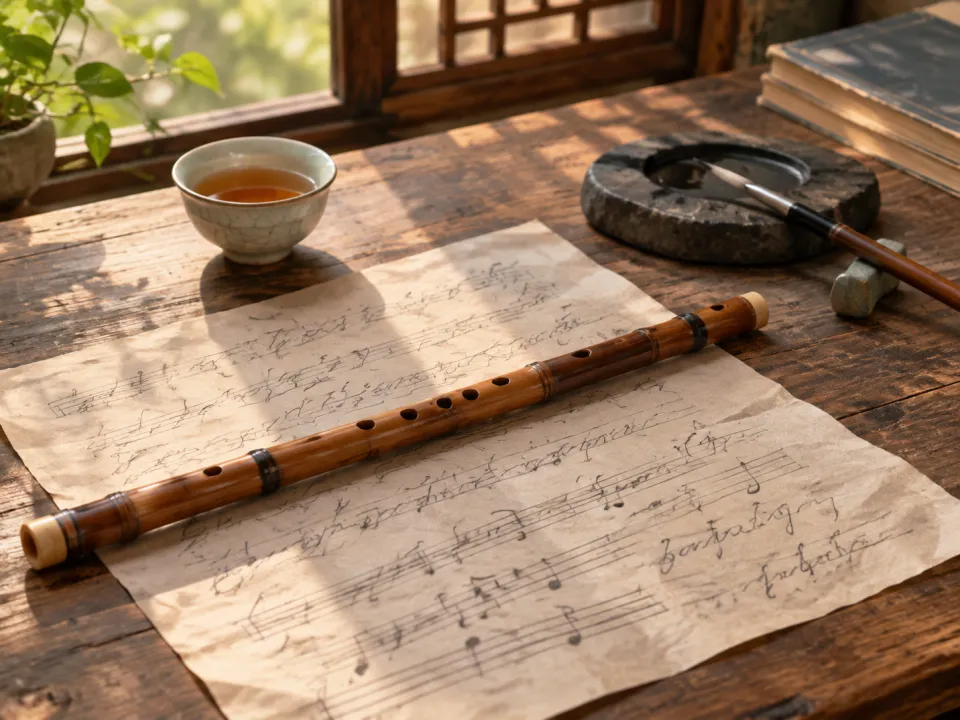
Start with the job the music must do. Exploration music needs space for dialogue; battle music needs clear changes in energy; a character theme needs a memorable emotional idea. Name one lead instrument, such as erhu, dizi or guzheng, describe the supporting arrangement, then say whether you want vocals. A short, coherent brief is easier to revise than a list of conflicting adjectives. Generate, listen for the largest mismatch and change one instruction before trying again. For example, replace “more epic” with “start quietly and bring in heavy percussion after the opening melody.”
Write your prompt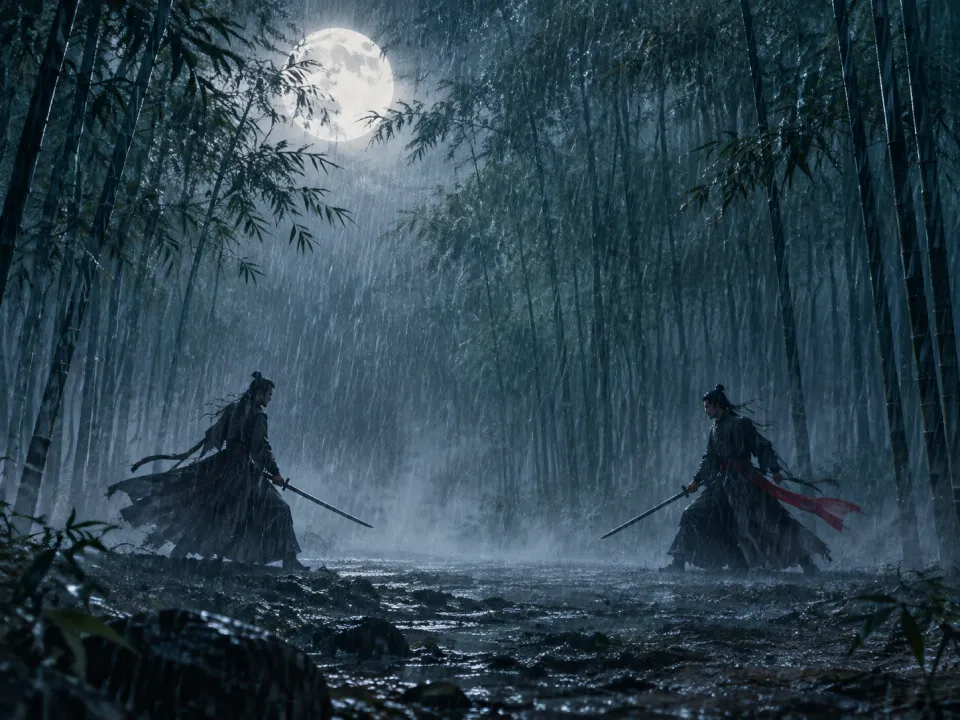
Wuxia describes stories of martial heroes, loyalty and conflict. Wulin is the martial world those heroes move in: fighters, clans and outlaws. Both work well as scene-setting words, and pairing them with concrete instruments and a mood, such as a lone erhu over war drums in a rainy courtyard, gives the model a clearer picture than the label alone.
Phantom Blade Zero-inspired music
For a village, ask for a restrained melody and light percussion. For a duel, contrast quiet phrases with forceful rhythmic passages. For an ending, give the arrangement time to settle. ToSong gives you a finished audio track; edit transitions and loop points in your audio editor, then import it into your game. Audition the result against dialogue and sound effects before choosing it.
Score a game sceneStart from one of the scene prompts below the input box or describe your own. Instrumental prompts turn vocals off; song prompts ask for English vocals.
Swap in your own setting, characters and mood, name a lead instrument, then sign in and generate.
Compare the generated versions, choose the strongest musical idea and revise one part of the description. Download the result when you are happy with it.
Pick a scene prompt, swap in your own characters and generate an original Chinese-style track.